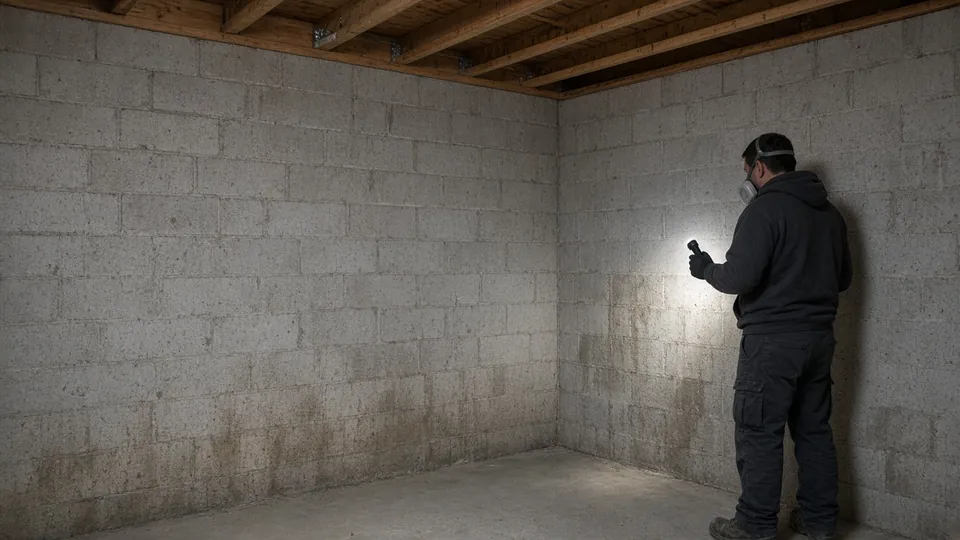
Professional inspecting a concrete block basement wall in a home basement

Macomb, Illinois & nearby communities

Basement Mold Removal in Macomb, IL

Get help with basement mold, moisture concerns, and mold after water damage in Macomb and nearby communities.

Referral service. The work is done by an independent local professional.

Situations a local professional can help with

If you see mold on basement walls, smell mustiness that will not go away, or found growth after water got in, you can send a free estimate request. It goes to Silvano Para and is shared with an independent local professional who reviews the problem.

Dark spots on basement walls

Spotty growth on concrete block, paneling or the bottom of stud walls, often near the floor.

A musty smell that keeps coming back

Odor after rain or in humid weather can mean moisture behind finished walls or in stored items.

Mold after a leak or water in the basement

Wet drywall, carpet, insulation or boxes that stayed damp for more than a day or two.

Damp walls and condensation

Sweating pipes and cool walls in summer, or white mineral deposits after seepage.

NOAA climate normals for the Macomb station (USC00115280) show about 38 inches of precipitation a year, with May and June the wettest months (about 4.3–4.5 inches each) (Illinois State Climatologist). Spring rain and snowmelt are when many basements first show damp walls. About half of Macomb homes are owner-occupied (49.4%, Census QuickFacts), so this site is for homeowners and landlords alike.

Referral service notice: Macomb Basement Mold Help (basementmoldremovalinmacombil.com) is a referral service operated by Silvano Para. We do not perform mold inspection, testing or remediation ourselves. Your free estimate request goes to Silvano Para and is shared with an independent local professional who does the work and may contact you; availability is not guaranteed. We may receive a fee from participating companies. Under the Illinois Mold Remediation Registration Act (410 ILCS 105), mold remediation providers in Illinois must register with the Illinois Department of Public Health (IDPH). Before hiring, ask the contractor for their IDPH registration status and proof of insurance. Photos are illustrative. Contact: contact@basementmoldremovalinmacombil.com.

Basement mold services you can request in Macomb

Five kinds of basement mold and moisture work can be requested here: mold removal, removal after water damage, a moisture source assessment, cleaning and removal of affected materials, and drying. Each section explains what the work involves and what to ask.

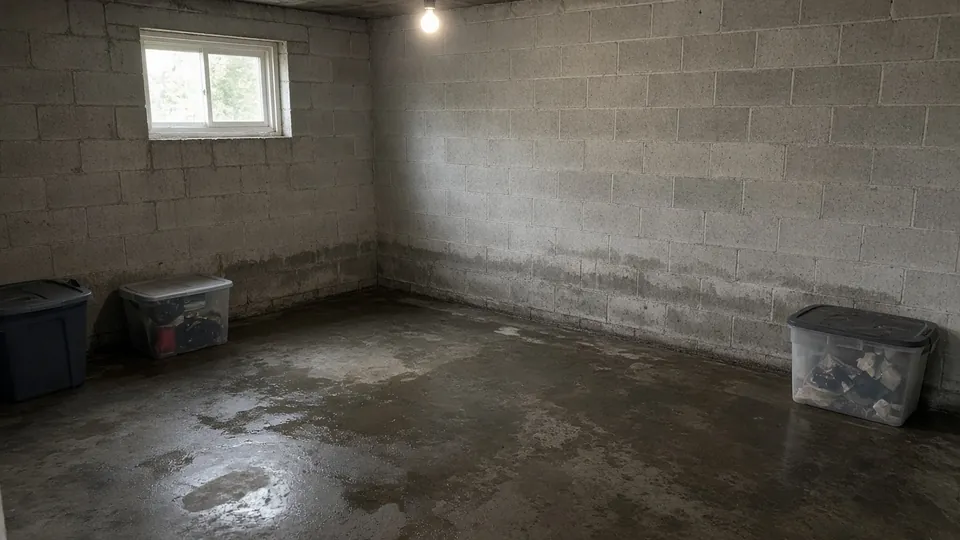
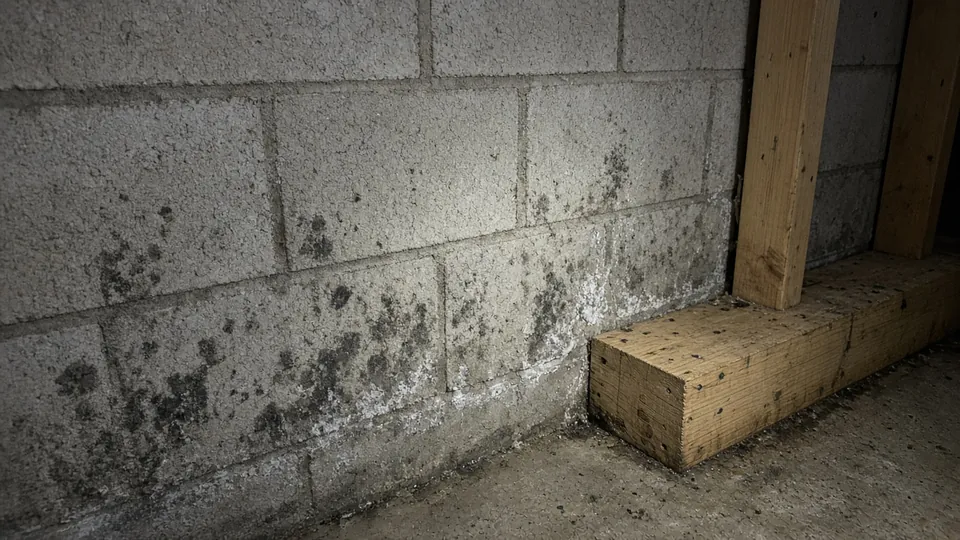
Basement wall with visible growth and water staining near the floor

Basement Mold Removal in Macomb

Basement mold removal means cleaning hard surfaces, removing porous materials that cannot be saved and fixing the moisture that let mold grow. In Macomb you can use this site to send a free estimate request; an independent local professional does the work.

Mold on basement walls, wood framing, paneling or stored boxes usually points to moisture that has stayed too long: seepage after rain, a plumbing leak, or condensation on cool concrete in humid summer weather. Cleaning the visible patch without dealing with that moisture often means the growth comes back.

A typical job starts with a look at the affected area and its moisture history, then precautions to keep dust from spreading, cleaning of hard surfaces and removal of materials such as damp drywall, insulation or cardboard that cannot be cleaned. EPA guidance suggests a professional for areas larger than about 10 square feet.

Ask the professional to explain the scope in writing: which surfaces will be cleaned, what will be removed, how the area will be dried and which repairs, such as plumbing, fall outside the job.

Basements in Macomb are often unfinished, with concrete block or poured walls, exposed joists and stored belongings close to the floor. Those surfaces behave differently. Concrete and block can usually be cleaned, while cardboard, paper-backed drywall, carpet and fiberglass insulation hold moisture and may need to be bagged and removed. Wood framing is judged on its condition: surface growth can often be cleaned, but soft or deteriorated wood may need further work by a carpenter.

Before work starts, it helps to note where you see growth, when you first noticed it, whether it gets worse after rain, and whether anything has leaked. Photos of the area are useful; you can send them by replying to our confirmation email. Avoid scrubbing or sanding large patches yourself, because that can spread dust and spores to the rest of the house.

Once the work is done, the area should be dry, the agreed materials removed or cleaned, and debris taken away. Keeping relative humidity in the basement low and checking the area after heavy rain helps you spot any return early.
More about basement mold removal →

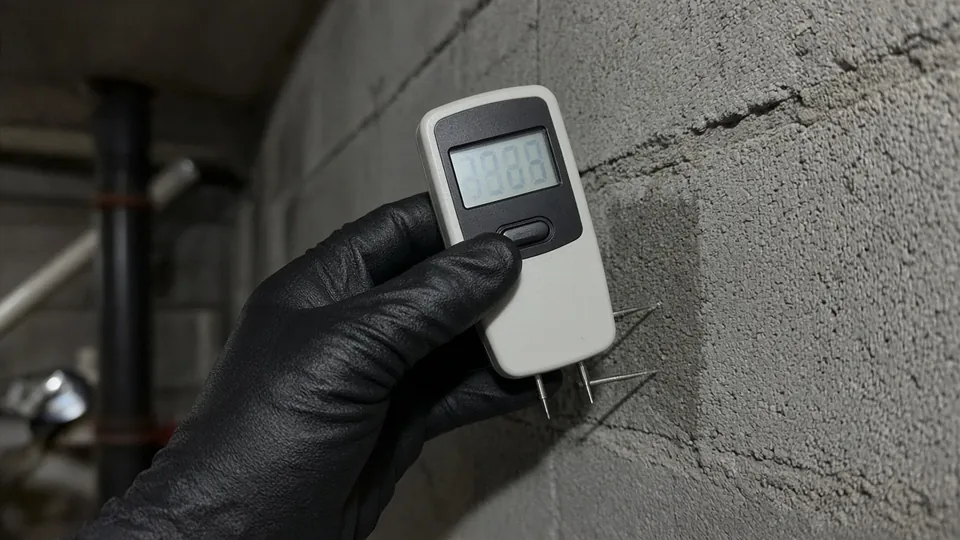
Gloved hand holding a moisture meter against a basement block wall

Mold & Moisture Source Assessment in Macomb

A moisture source assessment looks at where mold is growing and why the basement stays damp: leaks, seepage, condensation or humidity. Lab testing is not required in most cases; the EPA says sampling is usually unnecessary when mold is visible.

A professional will typically note the location and pattern of growth, ask about past water events, and may use a moisture meter on walls and framing. Growth low on walls often points to seepage; growth on cold pipes or walls in summer often points to condensation.

EPA guidance explains that if mold is visible, sampling is usually not needed, and there are no federal limits for mold to compare results against. Testing can still help in specific cases, for example when hidden growth is suspected; discuss it with the professional rather than assuming it is required.

The outcome should be a plain explanation of the likely moisture sources and the next steps, including any work that belongs to another trade.

Typical moisture sources in Illinois basements include water running toward the foundation from gutters and downspouts, seepage through block walls after heavy spring rain, plumbing leaks around water heaters and laundry hookups, and condensation on cool walls and pipes during humid summer weather. Often more than one source is involved.

An assessment does not have to be complicated. The professional may compare moisture readings on affected and unaffected walls, look for staining patterns and white mineral deposits, check around plumbing, and ask how the basement is used and ventilated. A simple hygrometer reading of indoor humidity can also help; the EPA suggests keeping indoor humidity below about 60 percent, ideally 30 to 50 percent.

If the assessment points to drainage, grading or a foundation crack, that repair is outside the services requested through this site, and the professional can tell you which kind of contractor to contact. Fixing the source first means any cleanup that follows is more likely to last.

More about moisture source assessment →

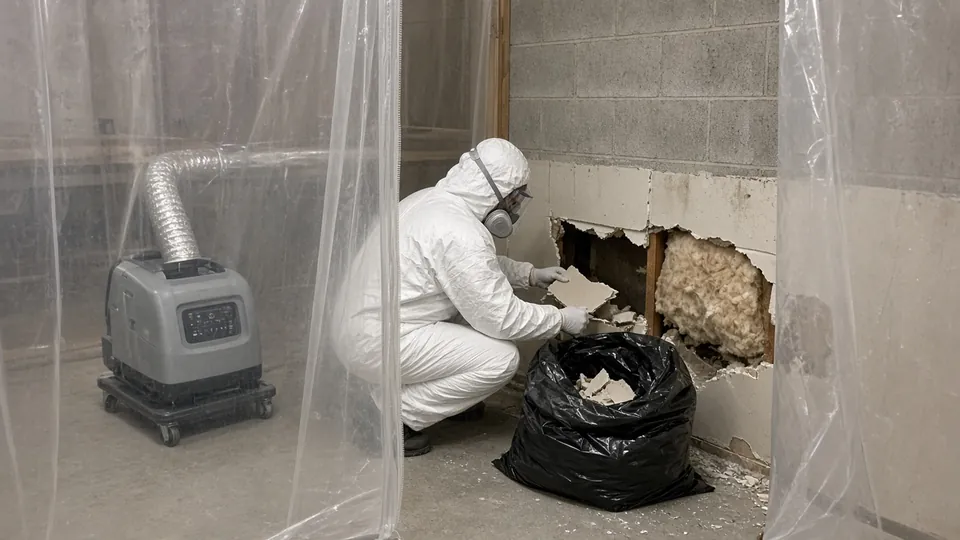
Contained basement work area with air filtration and protective equipment

Cleaning & Removal of Affected Materials in Macomb

Hard, non-porous surfaces can usually be cleaned, while porous materials such as drywall, insulation, ceiling tiles or carpet may need removal. Containment and protective equipment are used when the job calls for it. An independent professional sets the scope after evaluation.

EPA guidance notes that absorbent materials with mold may have to be thrown away, because mold can grow into empty spaces and crevices. Concrete and metal can generally be cleaned; wood framing depends on its condition.

On larger jobs, the work area may be sealed with plastic sheeting, kept under negative air with HEPA filtration, and debris bagged before it leaves the basement. Workers use gloves, eye protection and respirators.

Ask how debris will be handled and disposed of, what the area will look like when the job is done, and whether reconstruction such as new drywall is included or separate.

The EPA mold cleanup guidance describes hard surfaces being scrubbed with water and detergent and dried completely. It does not recommend relying on bleach as a routine treatment, and it warns never to mix bleach with ammonia or other cleaners. Ceiling tiles, carpet and pad, and drywall with growth on the paper facing are commonly discarded rather than cleaned.

Removal is usually limited to the affected section plus a margin, rather than an entire wall, but the exact extent is decided on site. In a finished basement, the professional may cut a small inspection opening to see whether insulation or framing behind the drywall is affected before agreeing the full scope.

Belongings stored in the basement are worth sorting before the work: items on hard plastic or metal can often be wiped and dried, while damp paper, cardboard and fabric may need to be thrown away or professionally cleaned. Ask the professional whether moving contents and replacing drywall or flooring is part of their estimate.

More about cleaning & removal →

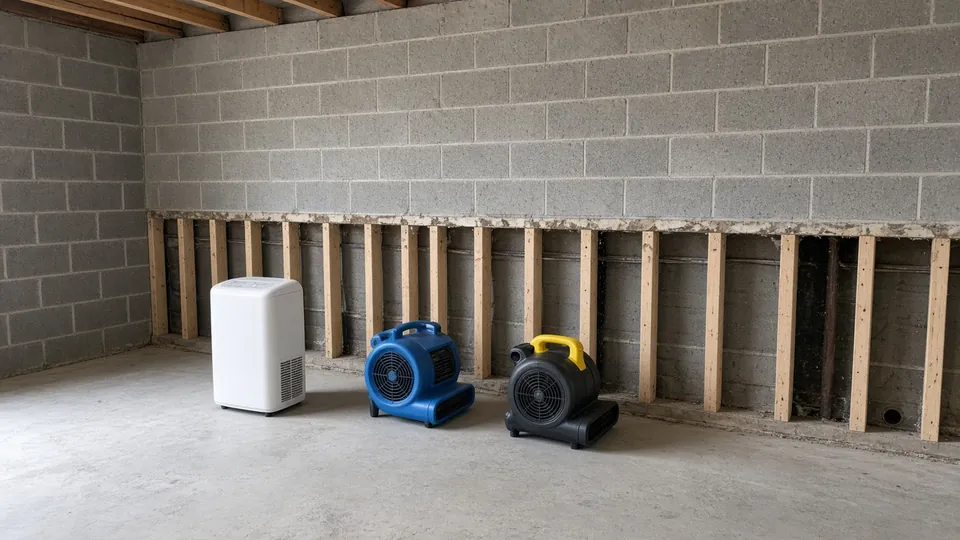
Clean, dry unfinished basement with a dehumidifier running

Drying & Moisture Control in Macomb

Drying and dehumidification can be part of a basement mold job, but whether it is offered depends on the independent professional. Availability depends on the local professional, so confirm it when they contact you. Waterproofing, foundation repair and sump pumps are not part of this service.

A basement can stay damp after visible water is gone. Moisture lingers in walls, floors, wood and stored items, and humid summer air condenses on cool concrete. Without drying, mold may develop or return.

When offered, this work can include air movers and dehumidifiers, moisture readings to confirm materials are dry, and advice on keeping indoor humidity in check. Availability depends on the local professional. A dehumidifier helps manage humidity but does not stop a leak or remove existing mold.

Please confirm with the professional whether drying and moisture control is included in your estimate. If the cause is drainage, a foundation crack or plumbing, a separate specialist will be needed.

Drying usually means removing wet materials that cannot be saved, then using air movement and dehumidification until moisture readings on walls, framing and floors return to normal levels. The time needed depends on the material, the temperature and how much water was absorbed.

For day-to-day moisture control, homeowners can help by keeping gutters clear, extending downspouts away from the foundation, running a properly sized dehumidifier in humid months, insulating cold water pipes that sweat, and keeping stored items off the floor and away from exterior walls. A low-cost hygrometer makes it easy to check that indoor humidity stays below about 60 percent.

This service is about drying and moisture control tied to mold work. It does not include waterproofing, foundation repair or sump pumps, which are separate trades not offered through this site. If one of those is needed, ask the professional which kind of specialist to contact.

More about drying & moisture control →

What affects basement mold removal cost in Macomb?

There is no single price. The independent professional sets it after evaluating the basement, based on area size, materials, moisture source, access, containment and drying. We have no verified Macomb prices, so the table lists cost factors only, with no invented figures.

What affects basement mold removal cost in Macomb (no prices published)
Cost factorWhy it mattersPrice
Size of the affected areaA few square feet on one wall is a different job from growth across several walls.Set by the professional after evaluation
Materials involvedConcrete can be cleaned; drywall, insulation, carpet and stored items may need removal and disposal.Set by the professional after evaluation
Moisture source and historyRecent water damage, seepage or condensation changes how much drying and follow-up is needed.Set by the professional after evaluation
Access and finished spaceFinished basements may require opening walls; clutter and tight spaces add time.Set by the professional after evaluation
Containment and protective equipmentLarger or heavier growth needs sealing, HEPA filtration and more protection.Set by the professional after evaluation
Testing, if requestedLab testing is optional in most cases and is priced separately when used.Set by the professional after evaluation
Drying and repairsDrying may or may not be included; rebuilding and plumbing or drainage repairs are usually separate.Set by the professional after evaluation
Your projectFree estimate request. No verified local prices are available, so this site does not publish figures. The independent professional sets the price after evaluating your basement.

How it works, step by step

You send a free estimate request, it goes to Silvano Para, and it is shared with an independent local professional serving your area. The professional evaluates the problem, gives you a written estimate and, if you hire them, does the work.

  1. Send a free estimate request

    Use the form to describe what you have noticed: where the mold or dampness is, how large it looks and any recent leaks or water.

  2. Your request goes to Silvano Para

    The operator of this site reviews it and, with your consent, shares it with an independent local professional serving your area, when one is available.

  3. The professional contacts you

    They may ask questions, look at photos you send by replying to our confirmation email, or arrange a visit to review the basement.

  4. You get a written estimate

    The professional sets the scope and price after evaluation. Ask what is included, what is excluded, and about their IDPH registration and insurance.

  5. You decide

    You are never obliged to hire anyone. If you go ahead, the work and payment are between you and the professional.

What basement mold work can look like

These example photos show typical stages of basement mold work: finding growth, checking moisture, containing the area and drying. They are not photos of work done by us or by any specific professional, and real jobs vary with the basement.

Basement wall with visible growth and water staining near the floor
Growth and staining near the floor.
Gloved hand holding a moisture meter against a basement block wall
Moisture assessment in a basement wall.
Contained basement work area with air filtration and protective equipment
Containment with air filtration and protection.
Clean, dry unfinished basement with a dehumidifier running
Clean, dry basement after mold work.

Areas We Serve

Requests are accepted from Macomb, Illinois, the McDonough County seat. Colchester, Bushnell and Industry are proposed coverage: you can send a request from those towns, and the independent professional confirms whether they can take a job at your address.

Coverage around Macomb, McDonough County, IL
CommunityZIPPopulationStatus
Macomb, IL6145515,051 (2020 Census)Main area
Colchester, IL623261,108 (2020 Census)Proposed coverage
Bushnell, IL614222,718 (2020 Census)Proposed coverage
Industry, IL61440about 399 (MAEDCO estimate)Proposed coverage

Sources: Census QuickFacts, MAEDCO community profiles. Availability is not guaranteed.

Map © OpenStreetMap contributors. The map shows the area only; there is no office or branch.

Request a Mold Assessment

Tell us your name, phone, email, city or ZIP and what you have noticed. Your request goes to Silvano Para and, with your consent, to an independent local professional who may contact you. There is no phone line; you can also email us.

Email Us

Referral service notice: Macomb Basement Mold Help (basementmoldremovalinmacombil.com) is a referral service operated by Silvano Para. We do not perform mold inspection, testing or remediation ourselves. Your free estimate request goes to Silvano Para and is shared with an independent local professional who does the work and may contact you; availability is not guaranteed. We may receive a fee from participating companies. Under the Illinois Mold Remediation Registration Act (410 ILCS 105), mold remediation providers in Illinois must register with the Illinois Department of Public Health (IDPH). Before hiring, ask the contractor for their IDPH registration status and proof of insurance. Photos are illustrative. Contact: contact@basementmoldremovalinmacombil.com.

Free estimate request. An independent professional sets any price after evaluation.

Where is the mold or dampness, how large is it, and has there been a leak or water damage? Please do not include health or financial information. You can reply to our confirmation email with a photo.

Submitting a request does not confirm an appointment, a price or acceptance of the job. Availability is not guaranteed.

Basement mold FAQ

Answers to what Macomb property owners ask most: cost, who does the work, Illinois registration, whether testing is needed, causes of basement mold, what you can clean yourself, dehumidifiers, coverage and how to send a photo.

How much does basement mold removal cost in Macomb, Illinois?

It depends on the size of the area, the materials, the moisture source, access, containment and whether drying is needed. This site does not publish prices; the independent professional sets the price after evaluation. Send a free estimate request to start.

Who does the work?

An independent local professional, not this website. Your request goes to Silvano Para, who operates the site, and is shared with that professional so they can contact you.

Does Illinois require mold remediation registration?

Yes. The Illinois Mold Remediation Registration Act (410 ILCS 105) requires mold remediation providers to register with the Illinois Department of Public Health. Ask any contractor for their registration status and proof of insurance before hiring.

Do I need mold testing before removal?

Usually not. The EPA says that when mold is visible, sampling is usually unnecessary. Testing can help in specific cases, such as suspected hidden growth; discuss it with the professional.

What causes mold in an Illinois basement?

Common causes are seepage after heavy rain or snowmelt, plumbing leaks, condensation on cool walls and high summer humidity. Fixing the moisture source is key to stopping recurring growth.

Can I clean basement mold myself?

EPA guidance says small areas on hard surfaces can often be cleaned by a homeowner with protection, while areas larger than about 10 square feet or mold after significant water damage are better handled by a professional. Never mix cleaning chemicals.

Will a dehumidifier stop basement mold?

It helps manage humidity, but it will not stop a leak or seepage or remove existing mold. Use it as part of a wider moisture plan.

Do you fix foundations, waterproof basements or install sump pumps?

No. Those are separate trades and are not offered through this site. A professional may tell you if one is needed.

Which areas are covered?

Macomb, with proposed coverage for Colchester, Bushnell and Industry in McDonough County. Availability depends on your address and on the professional.

Can I send a photo?

The form does not take files. You can reply to our confirmation email with a photo of the affected area.